Smart Home

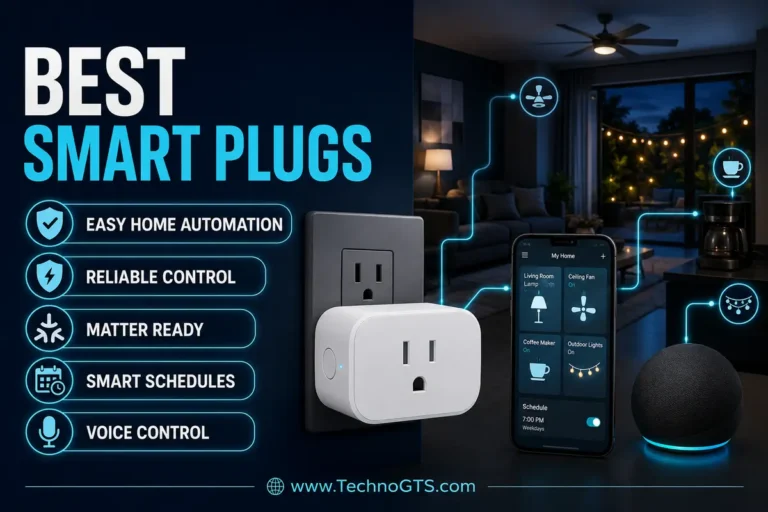
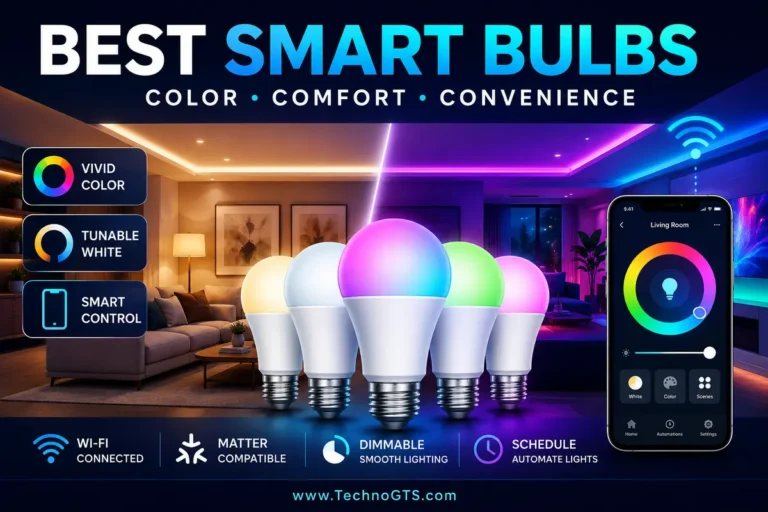
Smart home technology can make everyday routines more convenient, responsive, and easier to manage from one place. Connected products such as smart plugs and smart bulbs allow users to control ordinary appliances or lighting through an app, voice command, schedule, or automated routine. The most effective setup is not necessarily the one with the most devices—it is the one built around genuine household needs.

Before buying connected devices, shoppers should consider platform compatibility, Wi-Fi requirements, installation difficulty, privacy controls, subscription costs, and continued software support. Products that work with the same ecosystem are generally easier to organize, although Matter and other interoperability features may offer greater flexibility when combining equipment from different manufacturers.

Security-focused upgrades can include indoor or outdoor smart cameras, motion alerts, and video doorbells for monitoring visitors and activity around an entrance. Buyers should examine video resolution, night visibility, detection options, recording methods, local-storage support, cloud fees, and how account data is protected instead of judging a camera only by its headline specifications.

A connected home can also react to changing conditions. Smart sensors may detect motion, temperature changes, water leaks, or opened doors and windows, while smart locks can offer app-based access, temporary codes, and activity records. These products require careful attention to battery life, notification reliability, emergency access, and compatibility with existing doors or automation platforms.

For centralized control, smart speakers and displays can provide voice assistance, visual dashboards, entertainment, reminders, and access to compatible devices. A dedicated smart home hub may be useful when a household needs more advanced routines, local control, or support for several communication protocols. The right approach depends on whether the priority is simple voice control or broader home automation.

Our smart home buying guides help U.S. shoppers evaluate practical features, ecosystem compatibility, security, recurring fees, installation needs, and long-term value across connected-home products. Whether the goal is managing comfort with a smart thermostat, improving awareness around the property, or simplifying daily routines, informed comparisons can make each upgrade more useful and prevent incompatible devices from becoming costly clutter.