Smart Plugs

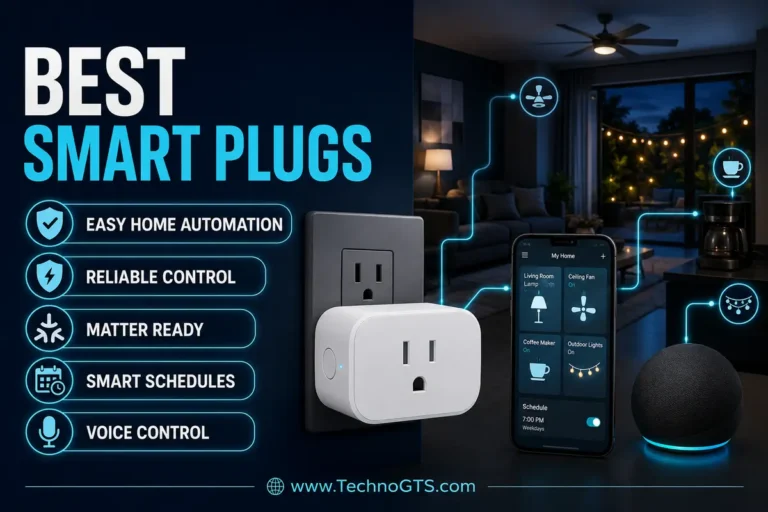
Smart plugs provide app-based or voice-assisted control for compatible lamps and plug-in devices without requiring the appliance itself to be smart. Once connected to a smart home platform, a plug may support remote switching, schedules, timers, away modes, or energy monitoring. The result can be a simple, affordable starting point for connected-home control, especially when users want to automate an existing device instead of replacing it.

Not every appliance is suitable for this type of control. A device with an electronic power button may not resume operation after electricity is restored, and equipment with heating elements, compressors, or motors can have requirements beyond a plug’s supported load. Shoppers should confirm the rated voltage, current, wattage, grounding, indoor or outdoor classification, and manufacturer guidance before connecting anything. Physical dimensions matter too, because a bulky unit may block the second receptacle. For lighting, it is also worth comparing whether a plug or dedicated smart bulbs setup offers the desired level of control. Plugs handle power at the outlet, while bulbs may add dimming, adjustable white tones, or color options. Either product can become part of home automation when compatibility allows.

Connection choices may include Wi-Fi, Bluetooth, Zigbee, or Thread. Wi-Fi models often work without separate hardware, while other designs may depend on a compatible smart home hub. Matter support can simplify cross-platform setup, but individual features may still differ between ecosystems. Buyers should also review network requirements, setup quality, power-outage behavior, scheduling reliability, privacy controls, update support, and whether energy reports or advanced routines require a subscription. Compatibility with smart speakers can be useful for hands-free commands, although dependable app and manual controls remain important. These smart plug buying guides focus on safe device matching, useful automation, platform support, and long-term value rather than feature lists alone.