Networking & Wi-Fi

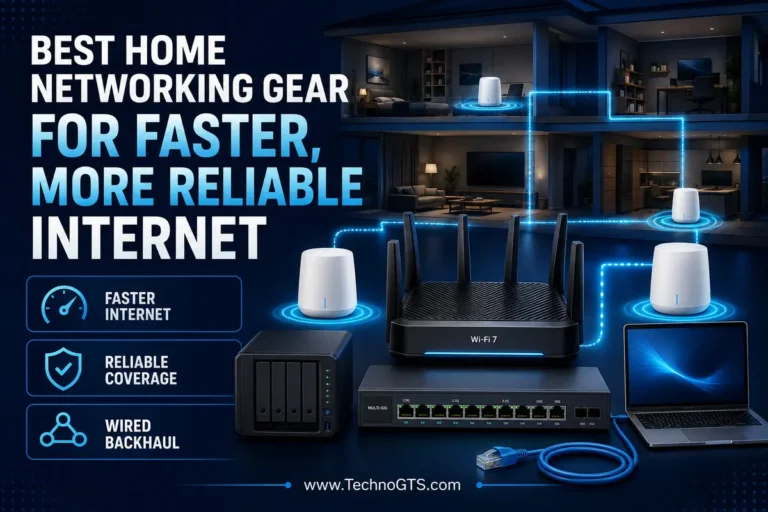
A reliable network depends on the complete path between the internet connection, router, connected devices, and the rooms where those devices are used. This Networking & Wi-Fi category provides practical guidance for improving wireless coverage, wired connectivity, device compatibility, and everyday network performance. Readers choosing the central device for a new setup can begin with Wi-Fi Routers.

Wireless standards influence available features, capacity, and compatibility, but a newer standard cannot automatically increase the speed supplied by an internet plan. Homes upgrading compatible devices can compare Wi-Fi 6 Routers, while users preparing for newer wireless hardware and demanding local-network workloads can explore Wi-Fi 7 Routers.

Coverage problems require an accurate understanding of the home’s size, layout, building materials, router placement, and areas with weak reception. A coordinated Mesh Wi-Fi system may suit properties needing coverage across several rooms or floors. For a more targeted expansion, compatible Wi-Fi Extenders may provide a simpler option when positioned and configured appropriately.

Wireless convenience does not eliminate the value of a wired connection. Desktops, access points, network storage, media equipment, and other stationary devices may benefit from Ethernet when consistent connectivity is the priority. Additional wired ports can be added through Ethernet Switches, while installation length, supported performance, shielding needs, and connector quality are covered under Ethernet Cables.

Sometimes the limitation is the computer rather than the router. Desktop and laptop users can research compatible Network Adapters when adding or upgrading wired and wireless connectivity. Readers seeking a portable wireless upgrade can compare USB Wi-Fi Adapters, with careful attention to operating-system support, USB requirements, antenna design, and the capabilities of the existing network.

Where cable or fiber service is unavailable or unsuitable, 5G Routers may provide internet access using a compatible cellular network, plan, and local signal. Readers planning an entire household setup can visit Home Networking for broader guidance. Our networking guides help U.S. consumers compare equipment according to coverage, device count, wired and wireless requirements, security features, service compatibility, expandability, and overall value rather than relying on advertised maximum speeds alone.